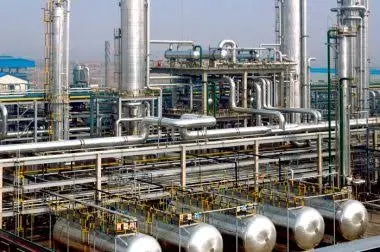
Hospitals, control centers, laboratories, industrial operations, and data-led environments depend on building systems that continue to support essential activity when normal conditions are disrupted.
Resilience is more than extra equipment
Adding a second pump, chiller, generator, or power path does not by itself create a resilient facility. Designers must understand common points of failure, control dependencies, maintenance states, distribution paths, and how the system behaves during transition.
Questions that shape the strategy
A useful resilience brief defines which functions are critical, how long they must be sustained, and what level of disruption is acceptable.
- What must remain operational?
- What is the maximum acceptable interruption?
- Which maintenance activities must occur without shutdown?
- What manual intervention is realistic?
- How will operators verify the system state?
- Which utilities need stored or alternative capacity?
Verification closes the gap
Commissioning is where the resilience concept is tested against installed reality. Functional testing should demonstrate normal, failure, recovery, maintenance, and degraded operating modes - not only whether individual items switch on.
Speak with Infinity MEA about the coordination, performance, and delivery priorities affecting your project.
Contact our team Design Coordination
 BIM
BIM